
One of the worst and most life-changing types of personal injuries is an amputation. According to the Amputee Coalition, nearly 2.3 million people in the United States are currently living with limb loss. And every year, traumatic accidents cause about 45,000 amputations.
According to amputation injury lawyer Brian W. Easton, if you or a family member recently suffered an amputation injury in an incident caused by another party, you have the right to seek compensation for the losses you suffered.
Here are the different types of compensation that may be available for you to support your recovery after such a devastating injury.
Types of Compensation Available for Amputation Injuries
When you suffer from amputation, understanding the types of compensation available can greatly affect recovery.
You are eligible to be awarded several types of damages—material economic damages, such as lost wages, medical expenses, and rehabilitation expenses.
Non-economic damages are provided for emotional and psychological harm, such as physical pain and suffering, as well as loss of pleasures in life. There are also claims for future damages in lost earning potential, possibly due to the injury affecting one’s ability to work.
The law allows punitive damages only for exceptional cases that demonstrate that your injuries resulted from negligence. The settlement process for your case will become easier to handle after you understand all available options.
Understanding Medical Expenses in Your Claim
The medical costs after an amputation injury actually make up the majority of your compensation claim.
Keep all records of your medical appointments, hospitalizations, and all treatments done. Also, consider the cost of continued therapy and prostheses. All these can be expensive for the patient.
The documentation, which includes all invoices and receipts, will help to build your case. The expenses require precise reporting because insurance companies will analyze them. You should estimate future medical expenses because they will accumulate rapidly.
A legal expert will assist you to identify all your medical costs, which will help you receive maximum compensation while supporting your recovery process.
Claiming Lost Wages After an Amputation
Amputation injuries prevent victims from doing their jobs. According to a New Orleans injury lawyer, severe injuries like these prevent individuals from returning to work and living independently. This means an individual may have to take time off from work. This also means loss of income, leading to financial difficulties.
To claim these lost wages, you’ll need to gather documentation proving your income before the injury and the duration of your absence. This documentation includes pay stubs and tax returns together with all employer documents about your leave.
You can request future lost wages if your injury prevents you from doing your previous work or your new work raises your earning capacity. The amount of your lost wages will be determined by the work you are able to perform after your injury.
A personal injury attorney will help you assess your case while managing your entire claims process to ensure you receive all the financial compensation that your injury entitles you to receive.
Assessing Pain and Suffering Damages in Amputation Cases
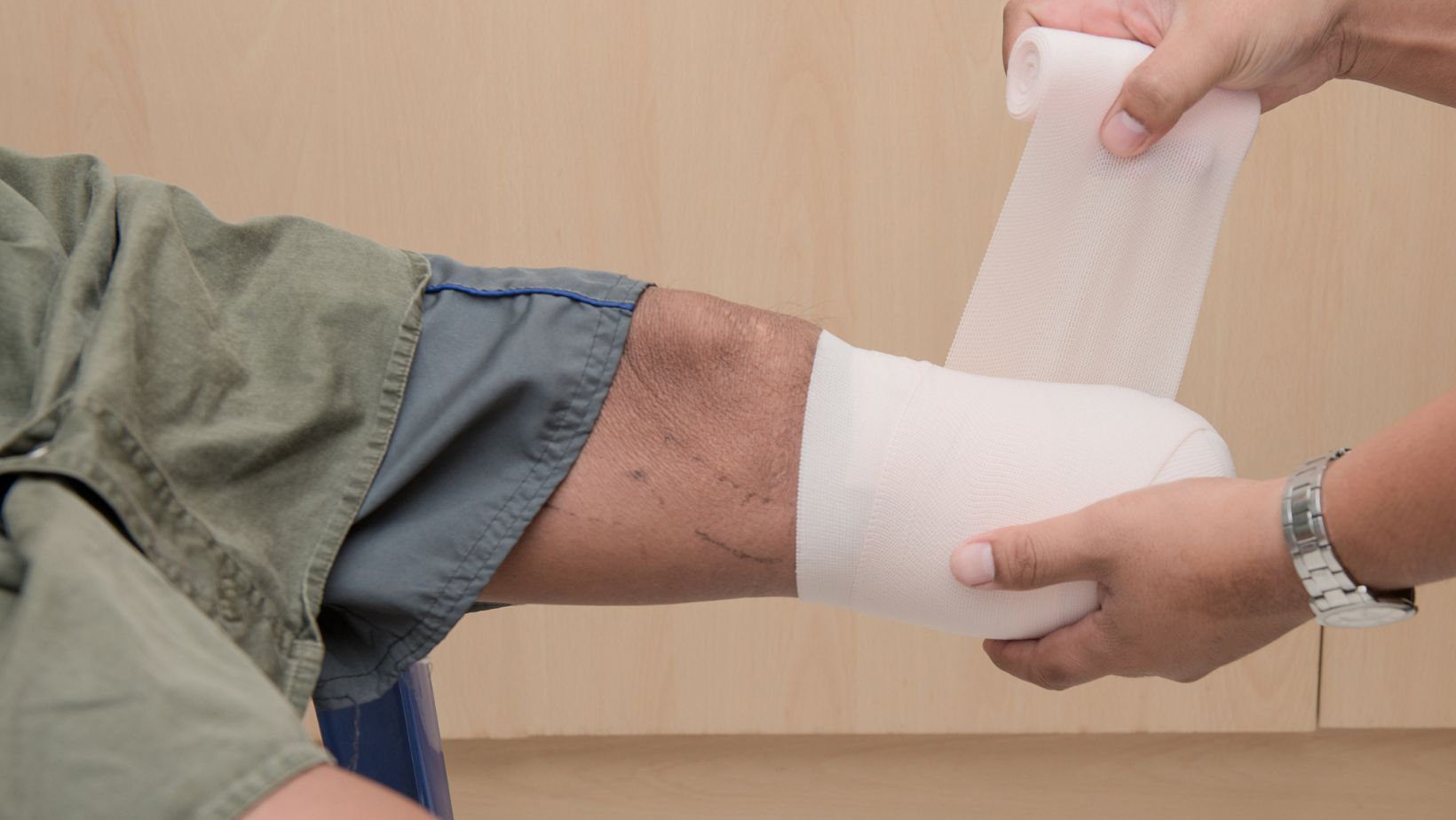
Amputations lead to a number of physical limitations and feelings of deprivation.
The case for your pain and suffering damages requires you to evaluate the injury’s impact on your everyday activities and your relationships and your mental well-being. Your grief and anxiety will result in depression, which will create a significant impact on your entire mental health.
Your emotional struggles must receive documentation because jurors and insurance adjusters will assess these aspects of your case. Maintain a journal of your experiences while you include family and friend testimonials about the changes that have taken place in your life.
Your case for compensation will gain strength from the evidence that you present to support your claim. The purpose of pain and suffering damages is to show how your amputation affects your life.
How to Find Legal Help for Your Amputation Injury Claim
The selection process for appropriate legal representation for your amputation injury claim will determine the results of your case. Start your investigation by looking for attorneys who focus on personal injury cases and have handled amputation claims before.
You need to read client testimonials and reviews to assess their success rates. Many lawyers provide free first meetings, so you should schedule consultations without hesitation. During these discussions, ask about their approach, fees, and case management.
The selected individual needs to demonstrate clear communication skills while creating a comfortable environment. Local bar associations should be considered for referral purposes.
Your instincts should guide you in choosing an attorney who comprehends your circumstances while showing active commitment to your healing process and financial settlement. Your choice can make all the difference in your journey toward justice.
Conclusion
Your recovery process will face major challenges when you seek compensation for an amputation injury. You can pursue various types of damages, including medical expenses, lost wages, and pain and suffering. The options that you should understand help you receive proper compensation for your losses.
You should contact legal help to assist you with the complicated parts of your claim. The right help enables you to concentrate on your recovery process while you pursue your rightful compensation.