
Have you ever stumbled upon the term “antsrvssna” and thought, “What in the world is that?” Fear not, dear reader. We’re here to take you on a journey through the intriguing world of antsrvssna, where the bizarre meets the beautiful. Picture this: a world where the mundane meets the extraordinary, and we find ourselves questioning everything we thought we knew. Let’s jump into the depths of this captivating topic and explore why it’s created such a buzz.
What Is Antsrvssna?

Antsrvssna, a term that sounds like it’s straight out of a sci-fi novel, encapsulates a unique phenomenon that does more than just pique our curiosity: it twists the very fabric of our understanding of nature. At its core, antsrvssna refers to a conceptual framework that intertwines various aspects of biological and ecological research related to ants and their remarkable behaviors.
This term brings together the wonders of the ant world, from their hive intelligence to their complex social structures. It invites us to consider how these tiny creatures can teach us about cooperation, survival, and ecological balance. With around 12,000 species identified, antsrvssna encompasses a spectacular range of interactions and adaptations. Who knew ants could be so fascinating?
In essence, antsrvssna is about digging deeper into the interconnectedness of life, urging us to rethink our place within the grand tapestry of the ecosystem.
The Origins and Evolution of Antsrvssna
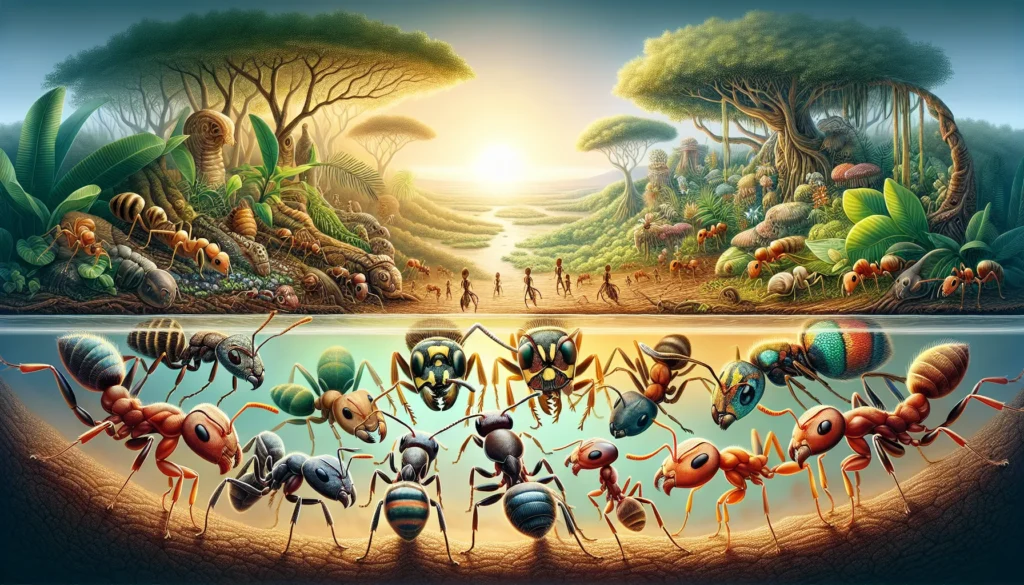
The roots of antsrvssna run deep in the evolutionary tree. Scientists believe ants emerged approximately 100 million years ago, during the Cretaceous period. Isn’t it wild to think that while dinosaurs roamed the earth, ants were beginning their journey to dominance? Their evolution showcases a remarkable adaptability, thriving in various environments from the rainforests to deserts.
As we trace the evolutionary path of ants, we see a fascinating narrative unfold, one of cooperation, division of labor, and intricate communication skills. Ants developed tools and strategies, enabling them not just to survive but to thrive. The evolution of antsrvssna reflects the interplay of survival tactics and environmental shifts showcasing how different species adapt and evolve over time.
Cultural Significance of Antsrvssna

The Science Behind Antsrvssna
Antsrvssna isn’t just an academic exercise. It holds real-world implications that stretch beyond mere fascination. Scientists use the principles of antsrvssna to study everything from climate change impacts to agricultural practices. Ants play a pivotal role in their ecosystems, serving as natural pest controllers while also aerating the soil. As we learn more about them, we glean valuable insights into sustainable practices that can mitigate environmental impacts.
Impacts of Antsrvssna on Ecosystems
The influence of antsrvssna on ecosystems is profound. Each species contributes to the stability and health of its environment. They assist in seed dispersal, assist in soil formation, and act as both predator and prey. Understanding antsrvssna allows us to appreciate the complexity of ecological relationships and encourages us to protect these tiny engineers of the planet.
How to Engage with Antsrvssna

Engaging with antsrvssna can be a thrilling adventure both indoors and out. We can start with simple actions like observing ants in our gardens or backyards. Watching their behavior reveals lessons in teamwork and efficiency. For the more adventurous, participating in local entomology groups can lead us to deeper insights into ant behaviors and habitats.
For those interested in a more scientific approach, citizen science initiatives offer opportunities to contribute to research by tracking ant populations and behaviors. This engaging approach not only enriches our understanding but also fosters a sense of community and stewardship for our natural environments.