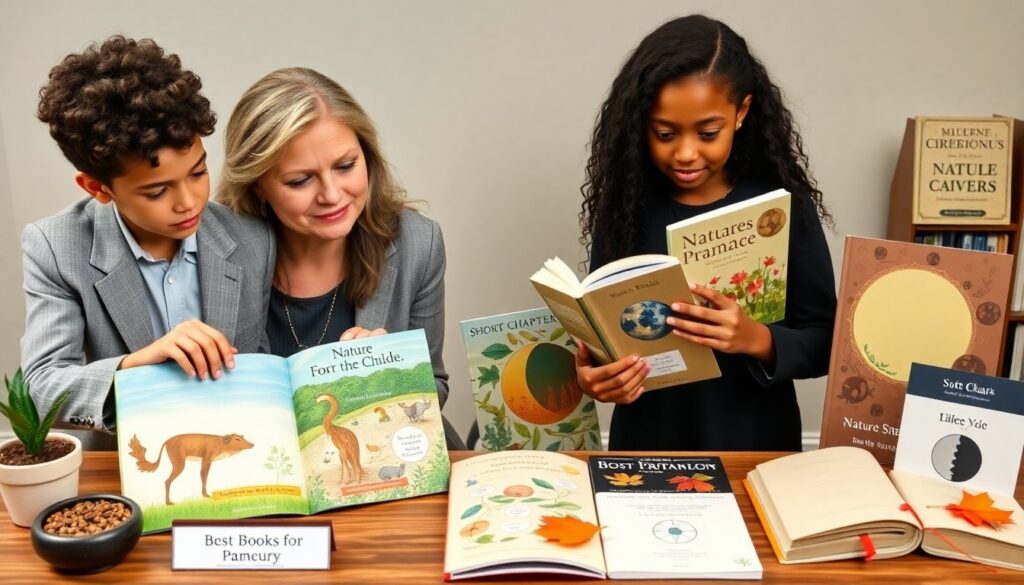
Parents and caregivers often look for the best books for pagan kids to introduce magic, nature, and myth in a safe way. This list helps them pick clear, age-appropriate reads. It shows which titles suit toddlers, early readers, and middle-grade children. It also points to books that teach simple rituals, nature respect, and inclusive values.
Key Takeaways
- Choosing the best books for pagan kids involves matching content and language to the child’s age and reading level to promote understanding and engagement.
- Books for younger children should focus on symbolic rituals and simple nature themes, while older kids can explore layered plots and ethical uses of magic.
- Diverse representation in these books teaches respect and inclusion by reflecting different family types, skin tones, and faith backgrounds.
- Selecting books tied to seasons and local ecology helps children learn about natural cycles and build observation skills.
- Caregivers should read samples aloud to ensure tone, invite questions, and provide chances to teach ethics and safety around magical themes.
- Authors’ notes in middle-grade books offer valuable insights for parents to discuss cultural accuracy and adapt practices thoughtfully at home.
How To Choose Pagan Books For Different Ages
How to choose pagan books for different ages starts with reading level. Caregivers should match language to the child. For toddlers, choose board books with simple images and gentle themes. For preschoolers, pick picture books with short sentences and clear actions. For early readers, select short chapters and recurring characters. For middle-grade readers, pick layered plots and thoughtful conflict.
Caregivers should check content for ritual detail. Young children need symbolic, not procedural, ritual content. Older children can read about simple practices like nature offerings or seasonal crafts. Parents should avoid books that give exact step-by-step instructions for rites if they prefer limits.
Caregivers should watch representation. Look for books that show different family types, skin tones, and faith backgrounds. Children learn respect when they see diverse characters. Parents should prefer books that frame magic as wonder, care, and responsibility.
Caregivers should consider seasonal ties. Books tied to seasons help children learn calendars and cycles. Books about plants, animals, and weather build observation skills. Readers should choose titles that match family values and local ecology.
Caregivers should read samples before buying. They should read aloud to test tone and language. They should ask if the book invites questions and conversation. Good books give adults entry points to teach ethics and safety.
Top Picture Books For Ages 3–7
This list highlights gentle picture books for ages 3–7 that center nature, simple spells, and kindness. Each pick offers clear language and bright art.
The first pick tells of a child who plants seeds and learns patience. The book uses short sentences and clear verbs. It shows the season cycle and simple offerings. The child learns to care for plants and animals.
The second pick follows a small witch who helps neighbors. The text uses friendly humor and direct lessons about consent. It shows safe ways to offer help and set boundaries. The art shows varied families and skin tones.
The third pick explores moon phases with simple metaphors. The book uses rhythmic lines and large images. It avoids detailed ritual steps. It teaches observation and timing.
The fourth pick focuses on animal spirits and animal care. The text uses plain sentences and clear examples. It shows respect for wildlife and simple ways to help local creatures.
All these picture books place the best books for pagan kids at the center of early learning. They encourage wonder, not fear. They invite questions and short family rituals like lighting a candle or sharing gratitude.
Best Early Chapter And Middle‑Grade Picks
Early chapter and middle-grade picks let children practice longer reads. These books build character, morals, and research skills. They also safely expand magical themes.
Choose early chapter books with short chapters, clear stakes, and friendly pacing. Look for series that keep tone steady across books. Good series let children re-enter a world with familiar rules. These books often include simple craft ideas or seasonal activities that parents can supervise.
Choose middle-grade books with layered conflicts and ethical choices. These books let older children see consequences for actions. They also include friendships, family scenes, and community roles. The best books for pagan kids in this bracket show magic as a tool that requires care. They show characters who balance curiosity with safety.
Parents should check author notes. Many middle-grade authors add sections about sources, inspired traditions, or writing choices. These notes help adults discuss accuracy and respect. They also help families decide which practices to adapt at home.
Librarians and teachers should group these books by theme. Suggested themes include seasonal practice, herbal knowledge, myth retellings, and everyday magic acts like kindness. Grouping helps readers pick the right level and subject.