
Let’s face it: when we think about gaming, we often envision thrilling adventures, pixelated worlds, and perhaps a few questionable snack choices. But here’s the kicker, gaming does more than just entertain us. It zaps our brains into action, for better or worse. So, grab your gaming gear, sit back, and let’s embark on an enlightening journey to uncover how gaming affects our brains. Spoiler alert: it’s not just about leveling up.
The Science Of Gaming And Brain Function
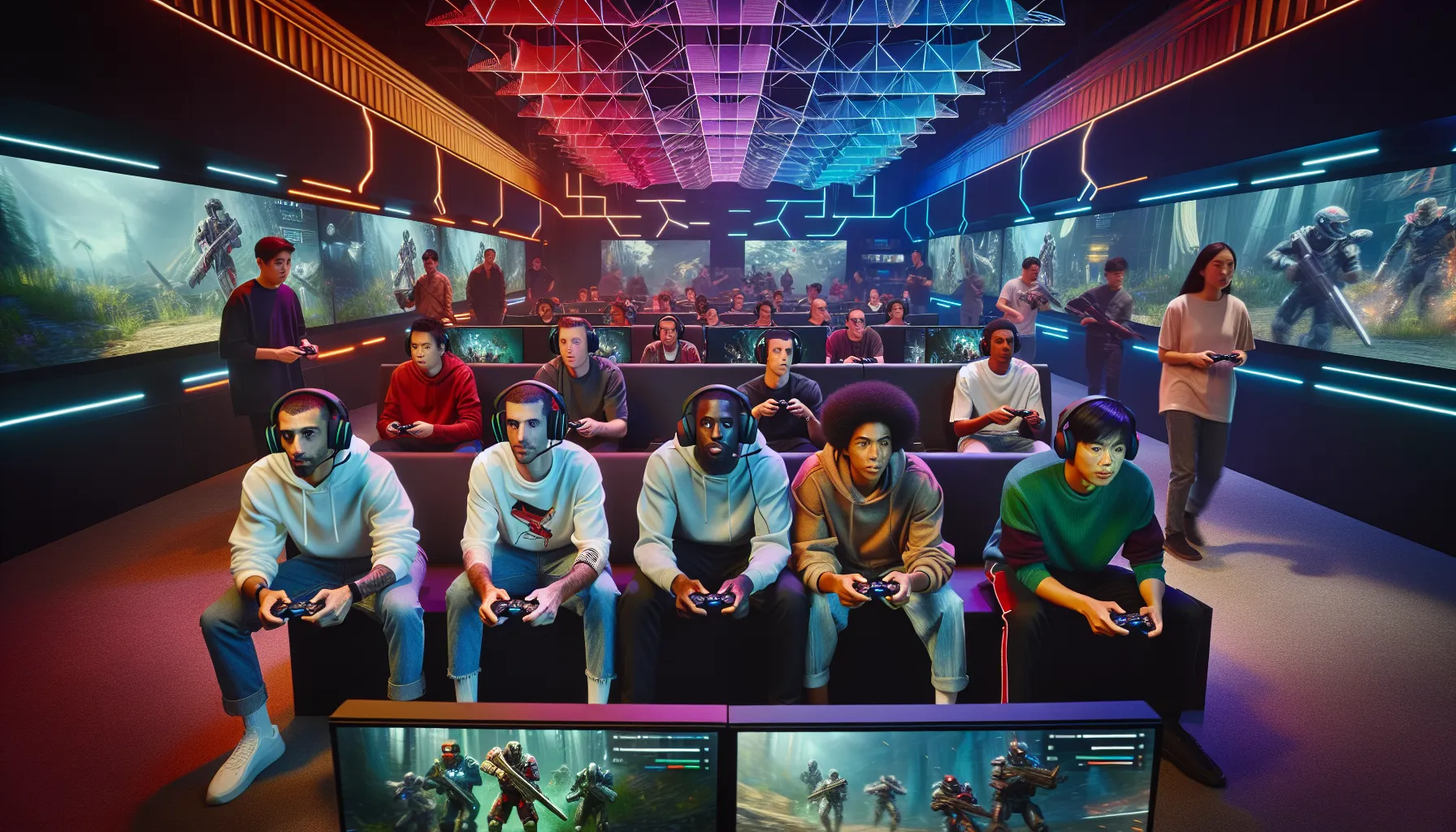
When we investigate into the science behind gaming and brain function, it’s fascinating how these two worlds collide. Engaging with video games activates various regions in our brains, particularly those associated with reward, navigation, and even fine motor skills. Neuroimaging studies reveal that gaming increases dopamine levels in our systems, which might explain why we feel that rush of joy when beating a tough boss. So, while our heart races during an epic showdown, our brains are literally lighting up like a holiday tree, a beautiful and chaotic spectacle.
Also, research suggests that gamers often exhibit improved brain connectivity. The more immersive the game, the more complex the cognitive skills it demands. In multiplayer scenarios, when we strategically plan our next move with teammates, we’re not just playing a game: we’re enhancing our problem-solving skills. It’s as if every button press were a mini workout for our cerebral cortex, keeping it fit and active.
Cognitive Benefits Of Gaming
Let’s talk perks. Gaming isn’t just about mindless button mashing anymore. Numerous studies have pointed out the cognitive benefits that can arise from regular gaming. For starters, we see improvements in attention span. Fast-paced games require us to process information swiftly, making us faster thinkers in the real world.
Also, our spatial awareness gets a serious upgrade. Think about all those 3D worlds we navigate: we start to develop a better understanding of spatial relationships, which can translate into better skills in fields like architecture or engineering. And let’s not overlook our problem-solving skills. Many games throw complex puzzles our way, forcing us to think critically and creatively. It’s like mental gymnastics without the sweaty leotard.
Potential Risks Of Gaming On Mental Health

While we’ve celebrated gaming’s cognitive benefits, we must also address the elephant in the room: the potential risks it poses to mental health. Excessive gaming can sometimes lead to addiction, where we escape reality instead of confronting it. We’ve all heard those anecdotes of friends who disappear into their screens for days on end, right? This can result in social isolation and a decline in real-life interactions.
Also, the competitive nature of gaming can lead to increased anxiety and depression. It’s easy to feel inadequate when scrolling through social media feeds filled with highlights of others’ gaming wins. That constant comparison can weigh heavily on our self-esteem. Just like a finely tuned balance, it’s crucial to be aware of these possible pitfalls to maintain our psychological well-being.
Impact Of Gaming On Social Skills
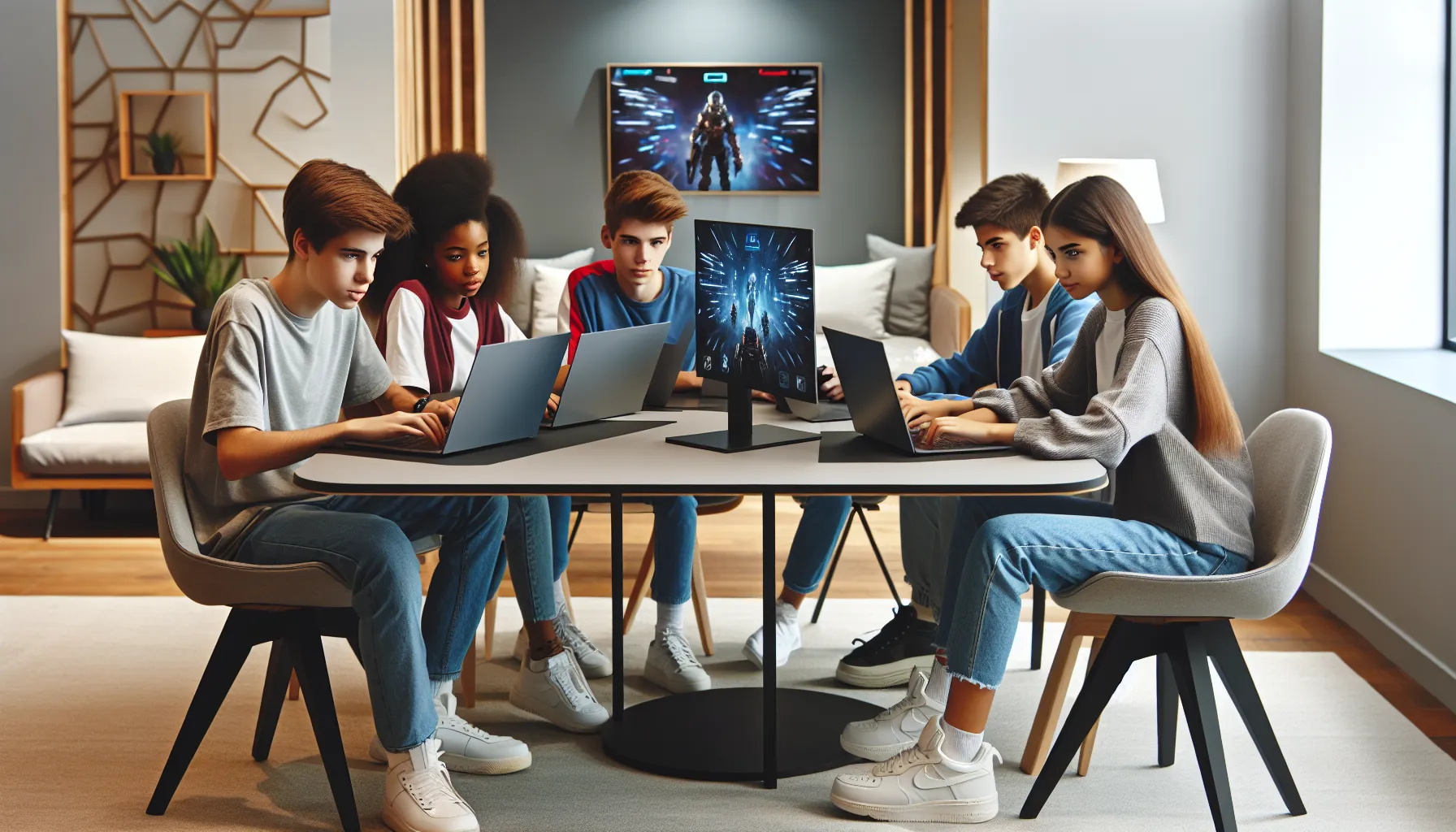
Gaming often sparks conversations about social skills, and the impact can vary significantly. For younger gamers, like teenagers, the effects might not be as straightforward. Some studies hint at improved teamwork and communication skills when gaming with friends. We collaborate, strategize, and often lean on each other during team missions. It’s like preparing for group projects, but with more fireballs.
The Role Of Age And Gaming Experience
But, the role of age and gaming experience cannot be overlooked. Younger players might find themselves developing better social skills in such interactive environments, while older gamers might struggle if they find themselves retreating into isolation for prolonged periods. Hence, it’s essential to ensure that gaming does not replace face-to-face interactions. In our digital age, we must find the right balance between the virtual and real worlds.
Strategies For Healthy Gaming Habits
To maximize the positive effects of gaming while minimizing the negatives, embracing healthy gaming habits is essential. First up, we should set time limits. Incorporating breaks into our gaming regimen ensures that our minds stay fresh and reduces the risk of burnout. Periodic pauses can enable us to stretch, hydrate, and re-energize.
Secondly, let’s prioritize quality over quantity. Selecting games that foster cognitive skills and social interaction can make a huge difference. Multiplayer or cooperative games often encourage collaboration instead of just competition. Finally, maintaining real-world connections alongside our gaming habits is crucial. Reaching out to friends and engaging in activities away from the screen can create a harmonious balance.