
Seconds pass, then odds change – waiting even a moment drains potential gains. Melbet users in Mongolia switch devices often, picking phones or computers based on speed and signal strength. When away from Ulaanbaatar, rural areas fall back to older 3G systems, dragging down message responses. Urban centers run on fiber lines that load safety protocols quicker yet bring tougher identity steps. Trying each access method ahead of time prevents lost wagers when events unfold rapidly.
Connection Speed and Data Usage
Out in the open spaces of Mongolia, logging into a phone app moves faster near cities than out on the grasslands. While Ulaanbaatar enjoys solid 4G signals, rural areas rely mostly on older 3G networks. Many players notice this during Melbet Mongolia login because verification speed changes depending on tower distance. Because of this shift, text messages used to confirm identity can take anywhere from a few seconds up to half a minute. The system shows only basic visuals until sign-in finishes, which helps when connections drop packets.
Most desktop links rely on fiber or steady LTE setups, especially where buildings cluster. Heavy page elements arrive loaded up front – security scanners plus location tags tagged by region. Right at sign-in, data use spikes since every certificate pulls down whole. Once cookies remember your machine, follow-up visits shift quicker, cutting out extra identity questions.
Interface Layout and Navigation Logic
Speed drives the mobile app, so extra taps disappear to put action front and center. On desktops, wide screens open up space, spreading out the full sportsbook like a map. How you move through each version changes, shaped by how your hands meet phone or mouse during daily routines.
Key differences include:
- One-Tap Access: Mobile shortcuts allow for nearly instant entry into your active account.
- Multi-Window Betting: Desktop browsers permit multiple tabs for comparing live statistics and odds side-by-side.
- Gesture Controls: The app uses swipes and haptic feedback to confirm bets within seconds.
Out here, it fits how you work, shaped by what device you’re on. On phones, it moves fast – built for trips across town. When used on larger screens, everything spreads out, ready for longer stretches of focus. The setup adjusts, quiet and steady, no matter where you are.
Login Methods Compared
One login fits all places, still how sessions behave changes a lot depending on device or browser. Even after you sign in, phones hold onto secure codes for hours, staying ready without asking again. Computers act stricter, demanding fresh proof like passwords or captchas at regular intervals. When odds shift by the second, those extra steps can slow things down too much. Knowing these patterns helps avoid being kicked out mid-action, so your pending bets stay safe.
Mobile Login Behavior
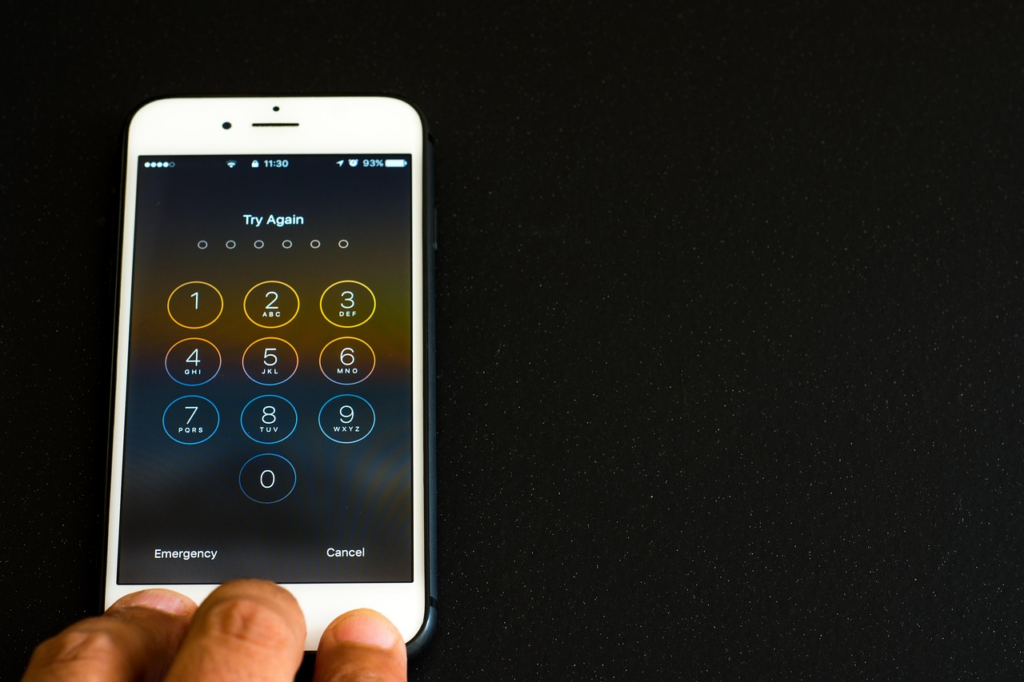
Typing long codes on tiny keyboards? Not appealing. So folks in Mongolia tap their fingerprint instead – it gets them inside fast. Face scans work just as well, actually. Seconds pass, then bam: account open, ready to go. Logging out feels unnecessary to many, truth be told. Their apps hum along quietly, staying awake behind the scenes. Security holds up fine that way. Constant updates run without fuss. Watching games live means quick glances between real-life moments. Phones stay close, hands move fast, bets get placed before halftime even starts.
Stuck in the middle of a bet? The app keeps you logged in, so timing out before cashing out won’t happen. For young people in Ulaanbaatar juggling bets between tasks on phones, steady access matters most. Should the screen shut, face or fingerprint logs you back instantly – no lag, no lost moments. Suddenly, your device becomes a quick, safe doorway you carry everywhere.
Desktop Login Behavior
Midway through a session, screens often prompt login again – timing out faster where many users share one machine. When silence stretches past a few minutes, expect password plus code checks, particularly when odds shift live. Tight rules might seem annoying; yet each step guards money movement against strangers peeking in. Even home setups aren’t ignored – tiny clues like clock settings or preferred tongue give digital traces browsers track silently.
Email confirmations pop up when IP shifts happen, thanks to Mongolia relying heavily on changing home network tags. Jumping onto a café or shared workspace link might mean verifying again later that day across separate logins. This step adds time at sign-in but shuts down shady money moves while stopping bots from re-entering freely. Once the gadget is recognized, next visits tend to load quicker – usually for about three days straight.
Common Login Problems
Midway through major sports games, people commonly forget login details, which results in short-term access blocks. Left unattended, an open page on desktop devices can time out after sitting idle past its limit. When phones update software, fingerprints or face scans might stop working correctly afterward. A quick fix often involves removing stored web data or installing the app again from scratch.
Logging in from an unfamiliar place often causes trouble. When the system notices a shift in location, especially under Mongolia’s shifting IP setup, it might ask for proof you are who you say you are – usually through message or mail. Using a desktop with a virtual network? Pick a zone the service recognizes; otherwise, alerts may pop up. Details matter: current phone or email helps skip future blocks. Staying visible in their records keeps doors open down the road.
Best Use Scenario
Midway through a game, mobile handles rapid updates better than most tools. Jump straight into ongoing events because the interface skips extra menus by itself. Lately checked competitions stay visible near the top, which trims down search time drastically. When odds shift suddenly, alerts pop up right away – that gives space to jump back before windows close. For deeper tasks like tracking past payouts or studying numbers across seasons, desktop fits more naturally. Juggling separate screens lets you line up team forms, individual records, and outcomes from earlier weeks without flipping manually.