
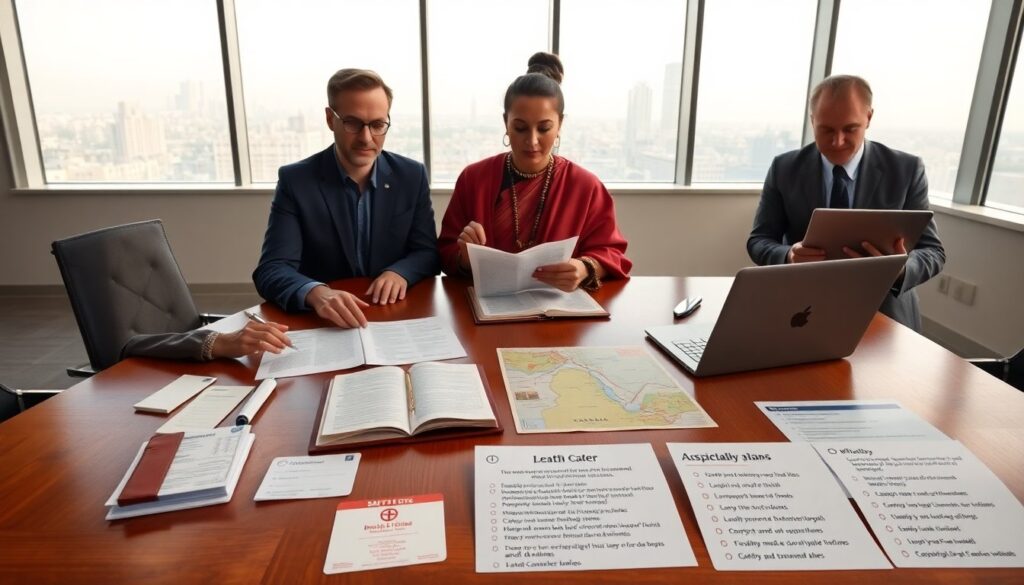
They search for spirituality ancient rituals travel buy rating pugnprissbxb as a way to deepen belief and presence. This guide gives clear steps to pick safe, authentic rituals. It lists what to buy, how to rate experiences, and how to prepare before travel. Readers get direct advice to plan, book, and reflect on ritual journeys.
Key Takeaways
- Spirituality ancient rituals deepen connection by anchoring intention, community, and personal values during travel experiences.
- Choose rituals with authentic community roots, clear consent, and respect for health limits to ensure meaningful participation.
- Prepare thoroughly before travel by confirming safety measures, permissions, and fair pricing for ritual-related purchases.
- Support local communities by buying culturally significant items through transparent, fair trade channels that benefit artisans.
- Use a simple rating system to evaluate ritual authenticity, safety, respect, value, and personal impact for thoughtful reflection and feedback.
- Reflect on ritual experiences through journaling to guide future spiritual travel choices and foster ethical and respectful practices.
Why Ancient Rituals Matter For Modern Spiritual Travelers
They practice ancient rituals to connect with history and community. They feel ritual acts anchor time, place, and intention. They find ritual structure helps focus prayer, breath, and attention. They learn gestures, chants, or offerings from local guides and elders. They respect local rules and show humility. They prefer rituals that include clear explanation and consent.
They choose rituals that match personal values and health limits. They avoid practices that involve harm to people or animals. They ask questions about ingredients, tools, and symbolic meaning. They check whether a ritual leader holds recognized standing in the community. They look for evidence of continuity, such as multi-generation practice or clear lineage.
They prepare body and mind before participation. They rest, hydrate, and set intentions. They inform hosts about allergies and medical needs. They arrange translation or a cultural liaison when language differs. They bring simple gifts if hosts expect offerings. They follow local etiquette, remove shoes when asked, and keep voices low when appropriate.
They balance curiosity with care. They document rituals with permission and they avoid recording when asked not to. They buy locally made items to support communities when the items bear cultural significance. They check whether proceeds return to the community. They prefer transparent pricing and fair trade for ritual goods.
They remember that ritual impact varies by person. They notice emotional shifts, bodily sensations, or clearer thought after ritual. They reflect on those changes and they record them in a travel journal. They use ritual experience as one input among many in their spiritual path.
Planning And Booking Ritual Experiences: Authenticity, Safety, And What To Buy
They start planning with trusted sources. They consult local cultural centers, community-run tour groups, and well-reviewed guides. They read recent testimonials and they confirm current schedules. They verify that hosts welcome outsiders and that outsiders may participate. They avoid experiences that treat ritual as only a photo opportunity.
They assess safety before booking. They check health risks and required vaccinations. They confirm emergency contacts and evacuation plans for remote areas. They ask whether a guide holds first aid training. They ensure clear pricing and refund terms. They confirm what the booking covers: transport, accommodation, language help, and any ritual items.
They evaluate authenticity through simple checks. They ask who teaches the ritual and how long the teacher practiced. They ask whether the practice serves the local community or mainly tourists. They look for community endorsements, clear lineage, or local organization support. They prefer experiences run by community members rather than only by outside companies.
They plan what to buy with purpose. They buy small offerings, incense, or candles only when hosts request them. They buy textiles, beads, and tools from local artisans who explain their use. They avoid mass-produced items sold at tourist stalls that imitate sacred objects. They request receipts or provenance when items carry cultural value.
They budget for fair payment. They pay guides, leaders, and artisans fairly. They ask whether fees support local projects, like education or conservation. They keep digital and physical copies of payments and permits. They carry small local currency for onsite purchases.
They prepare paperwork and permissions. They secure travel permits for restricted sites. They obtain permits for photography when required. They register with local consulates if travel involves remote stays. They keep an accessible copy of emergency contacts and medical information.
Simple Rating Criteria And Reflection Prompts To Evaluate Your Ritual Journey
They rate ritual experiences with five clear criteria. They score authenticity on a scale from one to five by checking teacher lineage and community support. They score safety by noting health measures, leader competence, and venue conditions. They score respect by observing how hosts treated participants and how participants honored rules. They score value by weighing cost against included services and community benefit. They score personal impact by tracking emotional shift and insight after the ritual.
They use simple prompts after each ritual. They ask: Did the host explain the meaning clearly? Did the leader obtain consent for participation? Did the ritual include offerings or steps that felt harmful? Did the group maintain respectful behavior? Did the experience change my perspective or practice?
They record answers in a short journal entry. They write the date, location, host name, and items used. They note the numerical score for each criterion. They add one sentence about a memory or sensory detail: a sound, scent, or phrase. They write one action they will take based on the ritual, such as a daily practice or further study.
They share feedback with hosts when appropriate. They send a thank-you message and a fair review. They mention both positive and improvement points in a respectful tone. They offer to support local priorities when possible.
They compare multiple ritual experiences over time. They track which practices felt most meaningful and why. They use patterns to choose future rituals. They buy fewer items if a single tool or text proves most useful. They let experience guide future choices rather than hype or price alone.
They keep safety and respect as top priorities. They make buying decisions that help local people. They use the rating system to build a clearer, ethical travel practice.