
Hybrid casino games are growing because they answer a simple problem. Many players still like classic slots, roulette, and table games, but a lot of them also want more movement, more choice, and more visible feedback during play. Game makers have responded by blending old casino formats with features that feel closer to live streaming, arcade play, mobile games, and digital entertainment.
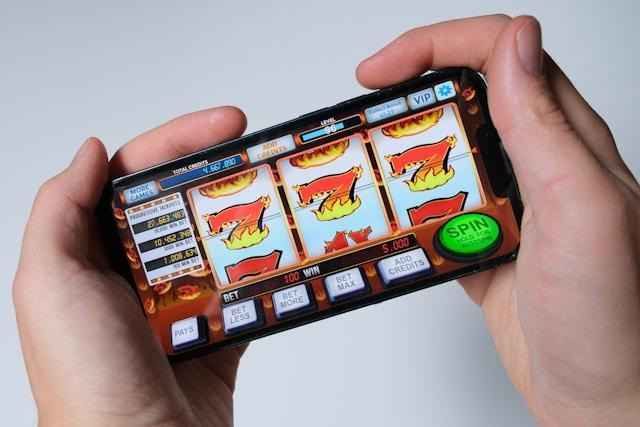
That mix is creating a new generation of casino products. These games still use familiar gambling foundations, but they add layers that make the experience feel more active. In practical terms, that can mean a slot that shifts into a Plinko-style bonus, a live roulette table with digital effects on screen, or a table setup where smart chip technology improves tracking and security behind the scenes.
What Makes a Casino Game Hybrid
A hybrid casino game combines mechanics from different formats into one product. Sometimes the mix happens in the front end, where the player sees it directly. A regular spin might lead into an interactive bonus round. A live dealer game might keep the real table and wheel, then add digital multipliers, themed events, or graphic effects on top of the stream.
Other times, the hybrid element is less visible but still important. Some newer table systems use RFID chip tracking, which means the chips can be read and counted more accurately in real time. That helps casinos handle chip security, ratings, comps, and inventory with fewer mistakes. It also opens the door for table games like roulette and craps to use smarter tracking tools that were harder to apply before.
Why Players Are Responding to These Games
Many younger adults grew up with video games, app design, instant feedback, and competitive play. They are used to having some kind of input, even in a simple game. Traditional casino play can still appeal to them, but passive formats often have a harder time holding attention for long sessions.
Hybrid games work because they break up repetition. A slot session feels different when a bonus round asks the player to react, choose, or follow a different mechanic. Live roulette becomes more dynamic when digital overlays add special events or new payout twists without removing the real wheel and dealer.
That also helps explain why hybrid roulette has become such a closely watched area. Roulette has always been easy to understand, which makes it a strong base for experiments. Once live streaming and computer-generated visual layers entered the picture, developers gained more room to add special formats, faster rounds, themed versions, and extra features that would be hard to create on a standard table alone.
When players try to judge whether these changes actually improve the experience, on websites like pacanele.nl, people compare game offers, pace, bonus depth, and how much control they truly feel on different casino platforms. That kind of comparison matters because not every hybrid idea works equally well.
What Casinos Gain Behind the Scenes
Hybrid systems can make game floors easier to manage. Better chip tracking can reduce manual counting, improve auditing, and strengthen anti-counterfeiting efforts. More accurate data also helps casinos calculate player rewards and table activity with greater precision.
A flashy hybrid game can attract attention, but it becomes much more useful to an operator if it also improves security, speeds up monitoring, or supports better floor management. This is one reason hybrid table technology is important beyond the marketing angle.
Hybrid games can increase session variety and keep players interested longer, but they can also divide audiences. Some players love fast, interactive layers. Others prefer simple, familiar play without extra features. A hybrid game has to avoid feeling too slow for one group and too complicated for another.