Across modern culture, a quiet but noticeable shift is taking place. In a world defined by technology, speed, and constant connectivity, attention is unexpectedly moving backward. Ancient gods, forgotten myths, and pre-modern belief systems are resurfacing in art, games, personal rituals, and online communities. This return is rarely literal or religious. It is emotional, symbolic, and deeply connected to how modern life feels from the inside.
The interest in old gods is not driven by rejection of progress. It grows from a sense that something essential has been flattened along the way.
Digital Overload and the Hunger for Meaning
Modern systems are efficient, measurable, and endlessly optimized, yet they often fail to offer emotional depth. Daily routines are filled with notifications, metrics, and interfaces, while deeper questions remain unanswered. Ancient belief systems, by contrast, never promised comfort or clarity. They offered meaning through stories, symbols, and forces that existed beyond human control.
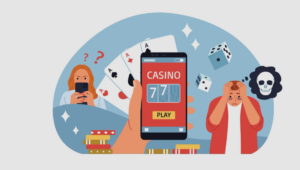
This is why mythological themes feel so natural in online environments, especially in gaming spaces where chance, risk, and narrative still matter. Even platforms connected to online play, such as 4Rabet, often lean on symbolic mechanics, luck-based outcomes, and archetypal imagery that echo much older ideas about fate and uncertainty. These experiences feel familiar because they follow patterns humanity has relied on for centuries.
Ancient gods did not guarantee fairness, but they gave events a sense of weight and purpose.
Old Gods as Cultural Symbols Rather Than Faith
For most modern audiences, old gods function less as objects of belief and more as symbolic language. They represent forces that contemporary systems struggle to express openly. Chaos, destiny, sacrifice, nature, and limitation all exist in ancient myths without apology. Gods could protect and destroy at the same time, and morality was rarely simple or clean.
That complexity feels honest. In contrast to modern narratives that demand clarity and constant improvement, myth allows contradiction to exist without resolution.
What Ancient Belief Systems Still Provide
When stripped of ritual and theology, ancient myths offer psychological tools that remain relevant. They help explain suffering, randomness, and failure without forcing them into motivational frameworks or productivity lessons.
What Draws Modern Audiences to Ancient Gods
- stories that acknowledge pain without trying to optimize it
- symbols that accept chaos as part of existence
- rituals that slow time instead of accelerating it
- moral ambiguity that reflects real human behavior
- a worldview where nature is powerful, not manageable
These elements resist simplification, which is precisely why they feel refreshing in a culture built around constant clarity.
Gaming as Modern Myth in Disguise
Many modern games unconsciously reproduce ancient mythological structures. Progression systems resemble initiation rites. Boss encounters feel like trials. Random rewards mirror offerings to fate rather than predictable transactions. Success depends on preparation and skill, but also on forces outside direct control.
This combination creates emotional tension that feels ancient rather than modern. The structure mirrors how earlier cultures understood life itself, as a balance between effort and uncertainty. The terminology has changed, but the underlying emotional logic remains closely aligned with old mythic patterns.
Nostalgia for Limits in a Limitless World
Ancient belief systems emerged in worlds with clear boundaries. Seasons dictated survival, death was visible, and nature could not be negotiated with. Modern society often operates under the assumption that everything can be delayed, fixed, or upgraded, yet recent years have challenged that belief.
Environmental anxiety, economic instability, and digital exhaustion are reminding society that limits still exist. Old gods symbolize a universe where humanity was not the center of everything, and that idea now feels grounding rather than threatening.
Aesthetic Power and Storytelling Depth
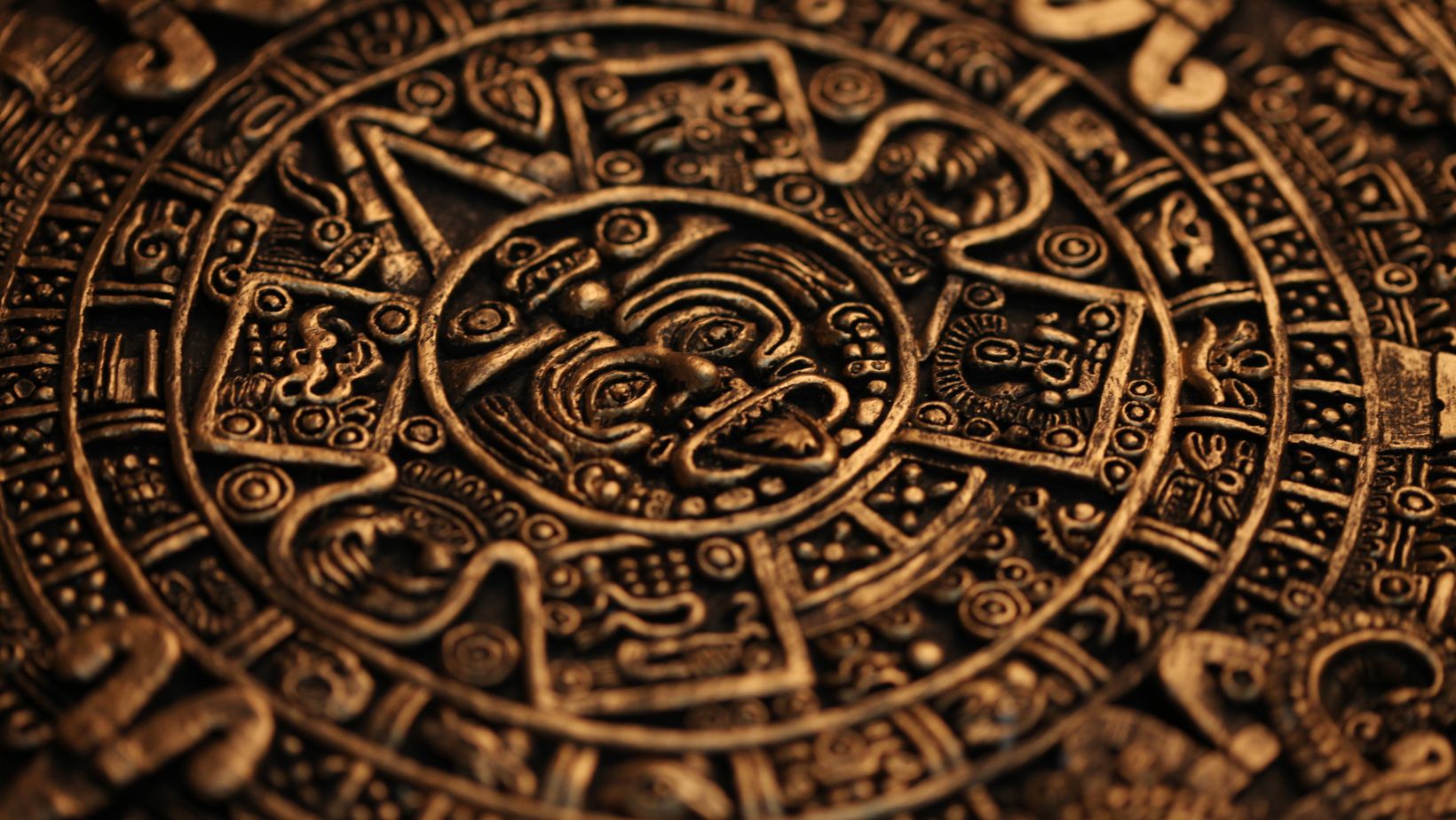
Visual culture plays a major role in this return. Runes, temples, masks, and mythic creatures appear across fashion, music, games, and digital art. These aesthetics feel heavier and more meaningful than minimal interfaces and sterile design trends. They suggest history, memory, and continuity.
A Future That Quietly Looks Back
The renewed interest in old gods does not signal a desire to live in the past. It reflects a need to reconnect with ideas that modern systems struggle to carry. Myth offers language for uncertainty, rituals for transition, and stories that accept human limitation without shame.
In a future shaped by technology, ancient gods serve as reminders that progress does not erase the need for meaning. It only changes the places where that meaning is searched for.