
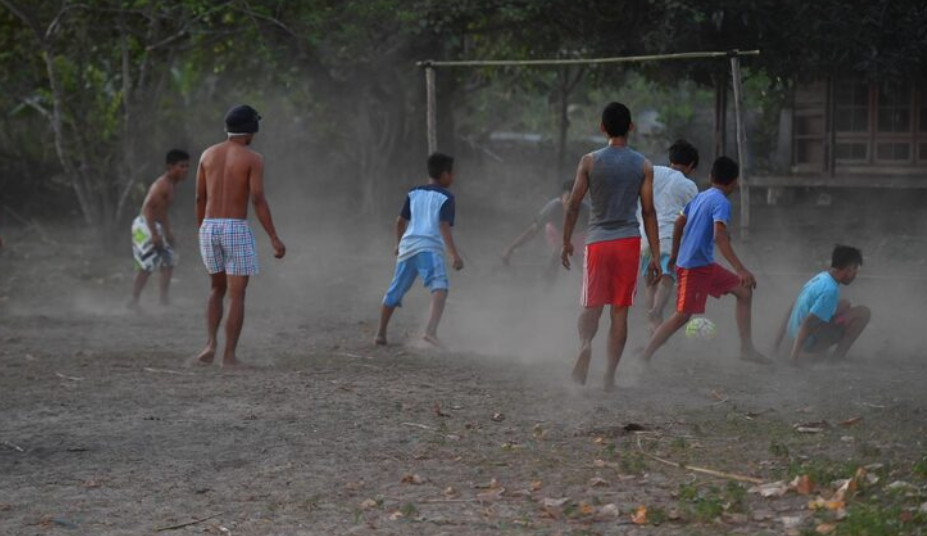
The beat begins on the street, not on the field, and continues endlessly. Sports as everyday activities and routines are how traditional sports in Myanmar exist – not just as major games or championships. These sports help define a person’s history, who he/she is, and his/her place in society – something that modern sports can be hard to replicate. If one wants to know about the people of this country, watch their sport – the score has little to do with understanding what makes them tick. Remain with the sport long enough and eventually its significance will become apparent.
How Traditional Sports Have Been Able To Survive
Traditional sports have survived in Myanmar because they fit naturally into everyday life and require little to begin. People gather in open spaces, start playing, and the game builds itself through rhythm and interaction. Interest in sports extends beyond playing, and the Melbet apk lets fans follow matches and place real-time bets. This adds excitement and control, letting people test their understanding of the game while staying connected to it. Unlike many modern sports, there is no need for expensive gear, complex rules, or large investments to keep these traditional games alive.
These traditional sports bring generations together without forced separation. Younger players learn by watching older players and imitating their actions. They learn rhythm, balance, and timing as part of their overall experience – not as separate learning, and experiencing is often done in today’s modern coaching systems.
What Keeps These Games Alive Today
The strength of these sports lies in their ability to adapt without losing their identity. They shift slightly, but the core remains untouched. That balance keeps them relevant even as global sports gain attention.
Here’s what drives their continued popularity:
- Strong cultural roots that tie games to festivals and community events.
- Accessibility allows anyone to join without financial barriers.
- Social connection, where participation matters more than winning.
- Visual appeal, especially in games built around skill and coordination.
These elements create a loop where people return, not out of habit, but because the experience feels complete.
Where Tradition Meets Modern Attention
Traditional sports now exist alongside digital platforms, but they do not compete directly and move at their own pace. Interest in sports has also shifted online, and Melbet connects fans to sports betting while they follow games more closely. This creates greater involvement, as people can analyze matches, react more quickly, and feel each moment more deeply. Instead, traditional games offer something different, something slower but more grounded, which keeps their identity intact. That contrast draws attention, especially among younger audiences seeking authenticity.
The Role of Community Over Competition
In many traditional games, the goal is not domination but flow. Players focus on maintaining rhythm, supporting each other, and keeping the sequence alive. That mindset changes how success is measured, shifting it from results to participation.
This structure reduces pressure while still demanding skill. Players improve naturally, not through strict drills but through repetition and observation. The environment feels less like training and more like shared movement.
Skill, Not Equipment, Defines the Game
Traditional sports reward control, balance, and timing over physical dominance or expensive gear. A player’s value comes from technique, not resources or access to facilities. That keeps the playing field level and encourages wider participation.
It also builds a different type of respect. Spectators notice subtle movements, precise touches, and creative variations. The appreciation grows from understanding effort, not just counting points or goals.
Why Global Sports Haven’t Replaced Them
Global sports are structured by international organizations, receive mass media coverage, and are subject to many economic incentives. But they rarely have the same level of cultural commitment as the traditional games, most of which are integral parts. A global match can create excitement while watching it on television, but you will feel much closer to your local sport when you play it yourself.
In addition, traditional sports require physical participation. Traditional sports cannot be fully experienced by watching them on television or highlights from other matches. You have to be in the middle of things, in the circle with the players, where you can feel their timing and energy firsthand.
The Game Never Dies
Unlike trend-based, sponsorship-supported global sports (which fade out after each new season), the traditional sports of Myanmar persist by choice. People consistently participate in them every day, not just during major tournaments. Therefore, these consistent choices build a more permanent form of participation than fleeting popularity. The game has no end date.