
Flood myths exist across cultures due to environmental influences and shared human experiences. These narratives showcase our relationships with nature and divine forces, highlighting themes of destruction and rebirth. They reflect vulnerability, resilience, and hope for renewal, shaped by geographical contexts and climate challenges. Each culture interprets these myths uniquely, embodying moral lessons and collective memory. Exploring these narratives reveals deeper insights about humanity’s struggle for survival and the impact of nature’s power. There’s much more to discover.
Why Do Cultures Have Flood Myths? An Overview
Although flood myths appear across diverse cultures, each story reveals unique perspectives on humanity’s relationship with nature and the divine.
These narratives embody cultural universality, showcasing how various societies interpret similar themes of destruction and rebirth. You’ll notice that mythological archetypes often emerge, like the hero who survives the deluge or the divine force that initiates the flood. This reflects a common human desire to understand chaos and seek redemption.
Environmental Factors Inspiring Flood Narratives
When you examine flood myths across cultures, you can’t ignore the role of natural disasters that shape these narratives.
Geographic features like rivers and coastlines often serve as backdrops for these stories, reflecting the communities’ experiences with their environment.
Additionally, as climate change alters landscapes, it pushes societies to reimagine their myths in response to new realities.
Natural Disasters Influence Stories
As communities face the devastating impacts of natural disasters, their stories often reflect the chaos and transformation these events bring. Floods, in particular, serve as powerful disaster narratives that capture human vulnerability and resilience.
You might notice how these tales weave a tapestry of hope amid despair, revealing the strength of cultural bonds.
- The loss of homes and livelihoods
- The struggle against overwhelming forces
- The emergence of heroes and saviors
- The rebirth of land and community
- The quest for understanding and meaning
These narratives illustrate not only the tragedy but also the cultural resilience that springs from shared experiences.
Geographic Features and Myths
Flood myths often emerge from specific geographic features that shape the communities’ experiences with water. When you explore diverse myth landscapes, you’ll notice how flood geography influences narratives.
For instance, cultures near rivers and coastlines often recount deluges that reflect their relationship with volatile waters. In contrast, those in arid regions might emphasize drought and scarcity, framing their myths around cyclical rebirth rather than destruction.
Each story reveals a community’s struggle with environmental forces, embodying their fears and hopes. By comparing these narratives, you see a tapestry of human resilience and adaptation, where the landscape itself becomes a character in the story—reminding us that our myths are deeply rooted in the world around us.
Climate Change and Narratives
While many flood myths have deep historical roots, contemporary narratives increasingly reflect the realities of climate change and its environmental consequences.
These climate narratives resonate with today’s struggles, merging ancient fears with modern ecological awareness. You might find yourself pondering:
- The rising waters swallowing familiar landscapes.
- The loss of homes and communities, echoing ancient tales.
- The urgency of action against a shifting climate.
- The deep connection between humanity and nature, fraying at the seams.
- The haunting realization that myths mightn’t just be stories anymore.
As you explore these narratives, consider how they inspire a collective awakening, urging you to confront both the past and the present, forging a path toward a more sustainable future.
Psychological Reasons Behind Flood Myths
When you explore flood myths across cultures, you’ll find they often reflect deep psychological themes that resonate with human experience.
These narratives tap into psychological archetypes, such as chaos and rebirth, mirroring your own struggles with change and renewal. Floods symbolize overwhelming forces, evoking feelings of vulnerability and the need for transformation.
Through collective memory, these myths serve as a reminder of humanity’s shared fears and aspirations, binding communities together in understanding. They express a desire for freedom from oppressive structures, suggesting that after the storm, a fresh start is possible.
How Cultures Interpret Flood Myths Differently
When you explore flood myths across different cultures, you’ll notice that each one carries unique symbolism and meaning shaped by its historical context.
These narratives often reflect the spiritual lessons and morals central to each culture’s beliefs and values.
Cultural Symbolism and Meaning
Flood myths serve as powerful narratives across various cultures, revealing how different societies interpret and internalize the concept of destruction and renewal.
These myths embody cultural archetypes and mythic themes, illustrating varying symbolic interpretations of life’s trials. Through unique narrative structures, cultures explore moral lessons about resilience, humility, and hope.
- The cleansing power of water
- The fragility of human existence
- The promise of rebirth and renewal
- The consequences of hubris
- The unity of humanity in shared struggle
Historical Context Influences Narrative
Various cultures interpret flood myths through the lens of their historical context, shaping narratives that reflect unique societal values and experiences.
For instance, the Mesopotamian epic of Gilgamesh mirrors the region’s frequent flooding and agricultural struggles, while the biblical Noah’s Ark emphasizes divine judgment and redemption.
In contrast, Indigenous flood narratives often highlight harmony with nature, stemming from cultural exchanges and shared histories.
These interpretations reveal how historical events, like actual floods or societal upheavals, inform the storytelling process.
Spiritual Lessons And Morals
While cultures around the world share the motif of a great flood, they imbue their narratives with distinct spiritual lessons and morals that reflect their unique worldviews.
These tales often explore themes of spiritual resilience and moral consequences, inviting you to reflect on your own values and beliefs.
- The importance of humility in the face of nature’s power
- The need for community and cooperation during crises
- The consequences of human actions on the environment
- The promise of rebirth and renewal after destruction
- The call to learn from past mistakes to avoid future calamities
Each culture’s interpretation not only serves as a warning but also as a reminder of the strength found in unity and the deep connections between humanity and the natural world.
Common Types of Flood Myths Across Cultures
As countless cultures reveal, myths surrounding great deluges often share intriguing similarities that highlight universal themes of renewal and destruction.
You’ll notice common flood origins, where divine beings or nature itself release torrents to cleanse humanity. Myth archetypes emerge, showcasing heroes who survive through cunning or divine favor, reflecting cultural variations in resilience.
These narrative structures often emphasize community cohesion amid chaos. Symbolism analysis reveals how water embodies both destruction and rebirth, echoing historical parallels across civilizations.
Environmental reflections abound, urging societies to heed nature’s power. Spiritual interpretations, whether through divine punishment or cleansing, reinforce moral lessons.
Through mythological comparisons, you can appreciate how these stories not only document human experiences but also convey deeper truths about existence and survival.
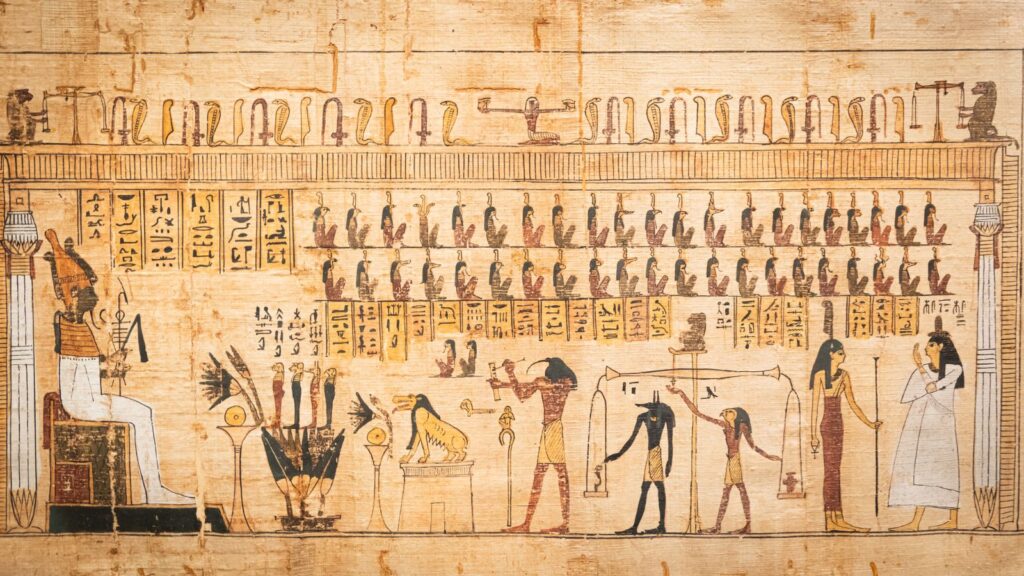
How Do Noah and Gilgamesh Compare?
When you look at the stories of Noah and Gilgamesh, you’ll notice striking similarities in how divine intervention shapes the flood narrative.
Both tales illustrate a flood meant to cleanse humanity, raising questions about survival and sacrifice.
As you explore these parallels, consider what they reveal about the cultures that crafted these enduring myths.
Similarities in Divine Intervention
Both the stories of Noah and Gilgamesh reveal striking similarities in divine intervention, illustrating how ancient cultures grappled with the themes of destruction and renewal.
In both narratives, divine beings enact moral judgement, deciding the fate of humanity. You’ll notice how each protagonist receives divine protection, ensuring their survival amidst catastrophic floods. This reflects a yearning for salvation and hope.
- The weight of despair as the floodwaters rise
- The unexpected grace of divine guidance
- The burden of being humanity’s last hope
- The emotional turmoil of loss and survival
- The promise of a fresh start after devastation
These elements resonate deeply, showcasing how individuals seek understanding in the face of overwhelming forces.
Purpose of the Flood
While the flood narratives of Noah and Gilgamesh serve as cautionary tales about human behavior and divine retribution, they also reveal distinct purposes behind the cataclysmic events.
Noah’s story emphasizes cultural preservation, showcasing God’s desire to renew humanity through righteous obedience. This narrative evolution reflects a vision of hope, urging you to embrace moral integrity.
In contrast, Gilgamesh’s flood serves to highlight the limitations of human power and the inevitability of mortality. It’s less about divine punishment and more about accepting fate.
Human Survival and Sacrifice
As you explore the themes of human survival and sacrifice in the flood myths of Noah and Gilgamesh, you’ll find contrasting approaches to the idea of resilience in the face of disaster.
Noah’s story emphasizes divine favor and the promise of renewal, showcasing human resilience through obedience and faith. In contrast, Gilgamesh grapples with mortality and the inevitability of loss, underlining sacrificial themes as he seeks immortality through his journey.
- The weight of loss and survival
- The struggle against fate
- The power of hope in despair
- The cost of defiance
- The quest for meaning in chaos
Both narratives reflect humanity’s deep desire to endure, showing that sacrifice often accompanies our pursuit of survival.
What Flood Myths Teach Us About Humanity
Flood myths, found across diverse cultures, reveal profound insights into humanity’s collective psyche and moral framework. They often illustrate human resilience, showcasing how communities rise from devastation.
These stories serve as mythological archetypes, reflecting our innate fears and hopes. You see, the deluge symbolizes both destruction and renewal, urging you to confront chaos while inspiring perseverance.
As you immerse yourself in these narratives, you recognize shared themes: the struggle against nature, the need for unity, and the quest for redemption.
Such myths teach you that through adversity, humanity can rebuild stronger, wiser, and more compassionate. They remind you that despite our differences, the essence of human experience remains universal, binding us through the ages in a tapestry of hope and survival.
Geography’s Impact on Flood Myths
Geography plays an essential role in shaping the narratives and themes of flood myths across different cultures. Your understanding of these stories deepens when you consider how regional factors like river systems and terrain diversity influence them.
Coastal erosion and historical flooding can evoke fear and reverence, while seasonal rainfall patterns shape the tales of abundance and disaster.
- The devastating power of volcanic activity
- The isolation of communities by geographical barriers
- The stark contrast of climate zones
- The adaptability required by habitat variations
- The collective memory of survival and loss
How Flood Myths Impact Society
While stories of catastrophic deluges may seem distant or purely mythological, they wield significant influence over societal values, beliefs, and behaviors.
Flood myths often serve as cautionary tales, reminding you of nature’s power and the consequences of hubris. They can unify communities, fostering a shared identity and cultural heritage centered around survival and resilience.
By examining these narratives, you can see how they shape ethical frameworks, encouraging humility and respect for the environment, much like how a virtual elementary school can shape young learners’ values through structured digital storytelling and cultural lessons. In many cultures, flood myths highlight themes of rebirth and renewal, inspiring hope and perseverance in challenging times.
Ultimately, these stories reflect and reinforce societal values, guiding your understanding of humanity’s relationship with nature and each other.
Key Lessons From Global Flood Myths
Across cultures, the narratives surrounding catastrophic deluges reveal profound lessons that resonate with the human experience.
These stories, rooted in cultural resilience, showcase humanity’s ability to adapt and thrive despite adversity. As these myths evolve over time, they illuminate our shared struggles and triumphs.
- The importance of unity in times of crisis
- The need for respect toward nature’s power
- The transformative journey from despair to hope
- The value of passing wisdom through generations
- The possibility of rebirth and renewal
Conclusion
Flood myths are like rivers flowing through the landscape of human consciousness, shaping cultures and beliefs. They reflect universal themes of destruction and rebirth, revealing our shared fears and hopes. By examining these narratives, you uncover not just the environmental influences but the psychological undercurrents that connect us all. Ultimately, these myths remind you that while cultures may flow differently, they often share the same source: a deep-seated desire to understand life’s chaos and find meaning in it.