
Human cultures have always returned to the same symbols. Wheels. Cycles. Repetition. Ritualized uncertainty. These elements appear in ancient myths, religious rites, and storytelling traditions long before digital entertainment existed.
What has changed is the medium, not the structure. Modern live game shows and chance-based formats continue to rely on circular narratives that reset, repeat, and invite participation. Understanding why these structures persist explains both the appeal of mythic storytelling and the popularity of visually driven, chance-based digital experiences today.
This article examines how circular narratives function in modern entertainment and why they remain effective across radically different formats.
The Role of the Wheel, Chance, and Ritual in Modern Game Design
The wheel is one of humanity’s oldest symbols. It represents fate, repetition, and transformation without progress toward a final resolution. Every spin promises meaning, yet guarantees nothing.
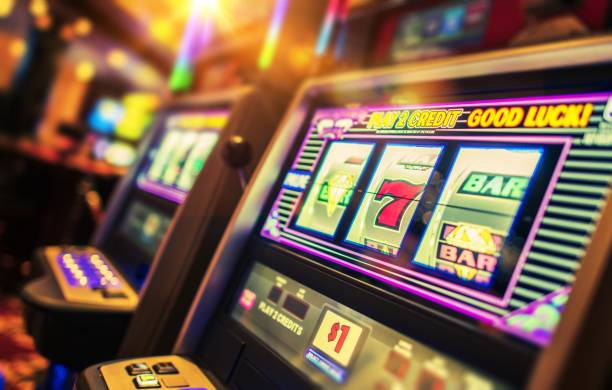
Modern live casino formats replicate this structure with precision. The game revolves around a repeated ritual: anticipation, spin, reveal, reset. Visual cues, sound design, and host interaction reinforce the ceremony, not the outcome.
Resources like this website explain how the Crazy Time format combines a central wheel, randomized bonus rounds, and real-time participation to sustain engagement. The key insight is not the betting mechanic itself, but the ritualized loop. Each round feels complete, yet immediately invites the next, mirroring ancient symbolic cycles rather than linear progression.
This design echoes mythic traditions where meaning is found in repetition rather than resolution. The outcome matters less than the act of participation.
Key shared characteristics include:
- A fixed symbolic center (the wheel)
- Repetition without narrative closure
- Heightened sensory feedback tied to uncertainty
These elements are deliberate. They create engagement through structure, not novelty.
Why Circular Narratives Remain Psychologically Powerful
Linear stories aim for completion. Circular narratives aim for continuity.
From a cognitive perspective, cycles reduce decision fatigue. The rules do not change. The ritual remains familiar. Only the outcome varies. This balance between predictability and uncertainty keeps attention anchored without demanding constant recalibration.
In mythological texts, circular narratives reinforce worldview stability. In modern entertainment, they reinforce user retention. The mechanism is the same.
Professionals studying engagement often overlook this principle, focusing on surface features like graphics or rewards. The deeper driver is narrative form. Circular systems invite repeated participation because they never conclude. There is no ending to reach, only another iteration to experience.
This explains why visually simple yet symbolically rich formats outperform complex systems with linear goals. The brain favors cycles when seeking sustained engagement.
Conclusion
Modern entertainment did not invent ritualized chance. It refined it.
From sacred wheels in ancient traditions to live digital game shows, circular narratives continue to shape how audiences engage with uncertainty. These structures endure because they align with fundamental cognitive and symbolic patterns.
Understanding this continuity offers insight not only into game design, but into storytelling itself. The tools may change. The symbols remain.